
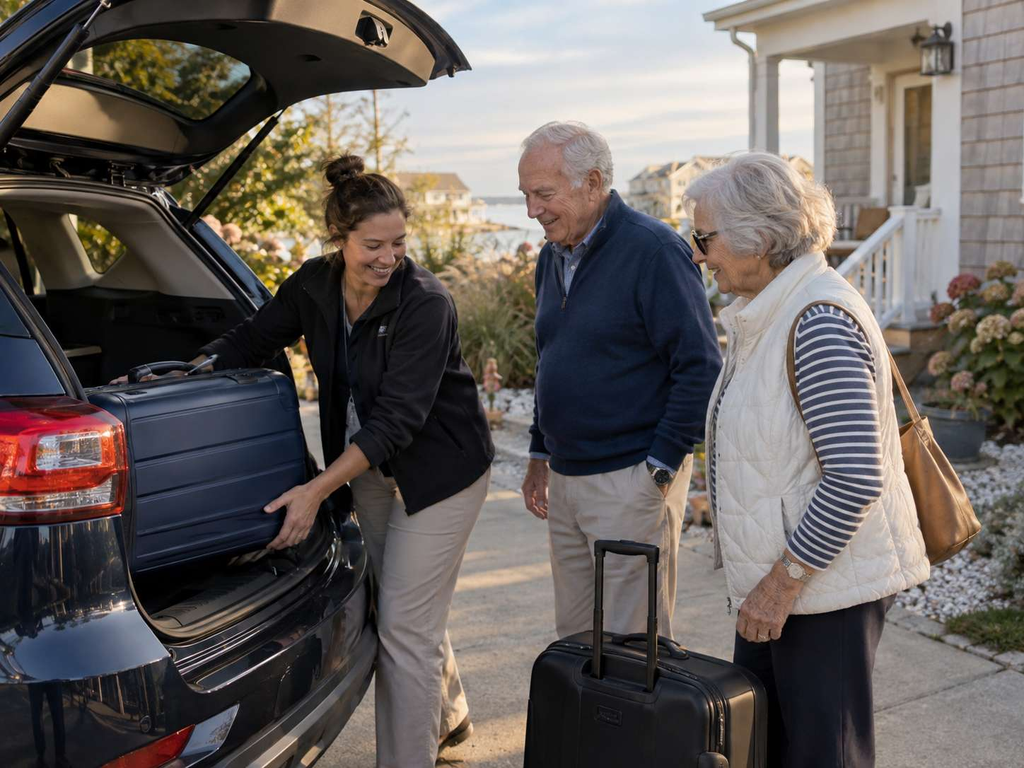
Every fall, many New Jersey retirees pack up and head south for the winter. For some, it’s a routine they’ve followed for decades. The warm weather, the familiar condo, the friends who return each season. It all matters.
But routines that felt easy at 70 can feel different at 82. A parent who once handled the drive alone may now need help. A spouse who managed everything may be slowing down. Adult children often notice these changes during a summer visit. Then they spend the winter worrying from a distance.
The good news is that a seasonal lifestyle doesn’t have to end when needs grow. With some planning, the right support can follow your parent between both homes.
Why Seasonal Moves Get Harder With Age
Moving between two homes takes more work than most people realize. There’s packing, travel, and closing up one house while opening another. Then comes a new routine, different doctors, and an unfamiliar pharmacy.
For an older adult, each of those steps adds strain. Travel days are tiring. Unfamiliar layouts can lead to falls in the first few weeks. Medication schedules often slip during the transition.
For parents with early memory changes, the switch can be especially confusing. A home that felt familiar in March may feel strange again by November. Extra support during those first weeks can make a real difference.
Signs a Parent May Need Help Before the Next Trip
The weeks before a seasonal move are a good time to take an honest look at how things are going. Some signs are easy to spot. Others show up slowly.
Watch for changes like these:
- Trouble keeping up with meals, laundry, or housework
- Missed medications or confusion about doses
- A recent fall, or a new fear of falling
- Less interest in friends or favorite activities
- A spouse who seems worn out from caregiving
- Unopened mail or unpaid bills piling up
None of these means your parent has to give up winters in Florida. They simply mean it’s time to talk about support.
Planning Care Before the Move South
The easiest time to arrange care is before your parent leaves New Jersey. Waiting until something goes wrong puts everyone in a harder spot. A few practical steps can make the season go much more smoothly.
Start With a Conversation
Frame the talk around what your parent wants to keep doing. Most seniors care deeply about their independence. Help at home often protects that independence rather than taking it away.

Schedule a Care Assessment
A free in-home assessment gives your family a clear picture of what help makes sense. It also gives your parent a chance to meet the team and ask questions.
Plan for Arrival Week
The first week in a seasonal home is often the hardest. Consider having a caregiver there to help unpack, stock the kitchen, and settle in.
Keep Key Information Together
Bring a current medication list, doctor contacts, and insurance cards. Share copies with family members and the care team.
What Seasonal Care Looks Like in Florida

Seasonal care works much like care at home up north. The main difference is timing. The schedule is built around the months your parent spends in Florida.
Some families start with a few hours of hourly home care each week. A caregiver helps with errands, meals, and light housekeeping. Others choose companion care so a parent living alone has regular company.
For parents who need more help, live-in care provides a caregiver in the home around the clock. This option works well for seniors with memory loss. It also helps those recovering after a hospital stay.
Our Fort Myers office supports families throughout the season. Care can increase if needs change. It can pause when your parent heads north.
Coming Home in the Spring
The return trip deserves the same planning as the trip south. Many families focus on the fall move and overlook the spring transition.
Before your parent heads back, think about the support they’ll need at home. The house may need to be opened, aired out, and restocked. Daily routines will need to restart. If needs grew over the winter, the care plan at home may need updating too.
Because we have offices in both states, families don’t have to start over each spring. Our Toms River team can help set up care before your parent arrives home. That kind of continuity can bring real peace of mind.
VA Benefits for Veterans Who Live in Two States
Many veterans qualify for in-home care through the VA and don’t realize it. Seasonal living adds a few extra steps. It doesn’t rule out benefits.
Before traveling, talk with the VA care team that manages your parent’s benefits. Share the travel dates and the seasonal address. That helps prevent gaps in approved care.
Affordable Senior Home Care is an approved VA provider. We help families understand what benefits cover and connect with the right contacts. Our guide to VA home care benefits for veterans and their families is a good place to start. You can also find general information on the VA Geriatrics and Extended Care page.
One Agency for Both Homes
Since 2005, Affordable Senior Home Care has helped families keep their loved ones safe and comfortable at home. As a family-owned agency, we know how personal these decisions feel. We also know how stressful it is to manage care from hundreds of miles away.
Our two offices let us support snowbird families in a way few agencies can. You work with one team that understands your parent’s needs in both places.
Talk With Our Care Team
If your parent splits the year between the Jersey Shore and Florida, we’d be glad to help you plan ahead. Schedule a free in-home assessment or call the office closest to your parent.
We’re Here For You
Are You Considering Seasonal Home Care Services?
Discover more from Affordable Senior Home Care
Subscribe to get the latest posts sent to your email.